
Stop Filling Shifts — Start Managing Workforce Demand
Shift from reactive scheduling to demand-driven workforce management—using real-time data, automation, and smarter planning to optimize staffing, reduce waste, and improve performance.
Stop Filling Shifts — Start Managing Workforce Demand
Shift from reactive scheduling to demand-driven workforce management—using real-time data, automation, and smarter planning to optimize staffing, reduce waste, and improve performance.
Share on:


Share on:
Smart & Simple Money Management
Let AI handle the numbers—automatically track, categorize, and optimize your expenses without the stress. It learns your habits and evolves with you, making money management a breeze.
How does it benefit you?
Stress-Free Budgeting: Your expenses are tracked without lifting a finger.
Personalized Tips: Get spending insights tailored just for you.
Live Updates: Always know where your money's going, in real time.
Time-Saving Automation: Focus on life, not your ledger.
Smart & Simple Money Management
Let AI handle the numbers—automatically track, categorize, and optimize your expenses without the stress. It learns your habits and evolves with you, making money management a breeze.
How does it benefit you?
Stress-Free Budgeting: Your expenses are tracked without lifting a finger.
Personalized Tips: Get spending insights tailored just for you.
Live Updates: Always know where your money's going, in real time.
Time-Saving Automation: Focus on life, not your ledger.
The Real Goal: Demand-Driven Workforce Management
Modern workforce systems shift the focus from “who is available” to “what is actually needed.”
Workforce management, at its core, is about:
Getting the right people
With the right skills
At the right time
This aligns staffing directly with business demand, not guesswork.
Why Traditional Scheduling Fails
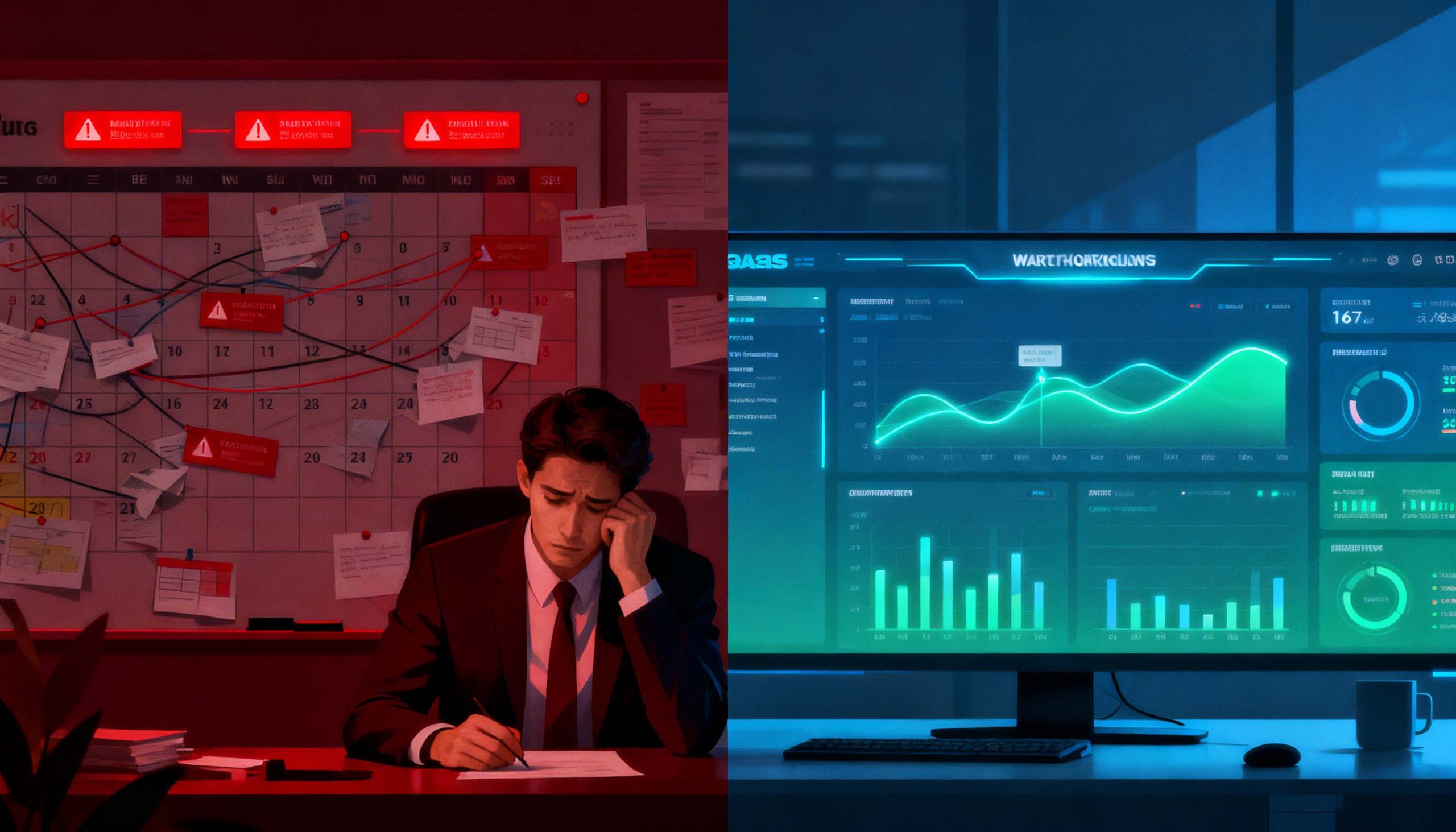
Manual scheduling and static workforce planning simply cannot keep up with real-world fluctuations.
Customer demand changes:
Hour by hour
Day by day
Season by season
Without real-time adjustment, businesses either:
Pay for idle time
Or lose revenue due to poor service
The Shift to Intelligent Workforce Systems
Forward-thinking companies are moving toward:
Real-time workforce allocation
Automated scheduling
Data-driven staffing decisions
Automation helps organizations:
Reduce inefficiencies
Improve utilization
Respond instantly to demand changes
The Real Goal: Demand-Driven Workforce Management
Modern workforce systems shift the focus from “who is available” to “what is actually needed.”
Workforce management, at its core, is about:
Getting the right people
With the right skills
At the right time
This aligns staffing directly with business demand, not guesswork.
Why Traditional Scheduling Fails
Manual scheduling and static workforce planning simply cannot keep up with real-world fluctuations.
Customer demand changes:
Hour by hour
Day by day
Season by season
Without real-time adjustment, businesses either:
Pay for idle time
Or lose revenue due to poor service
The Shift to Intelligent Workforce Systems
Forward-thinking companies are moving toward:
Real-time workforce allocation
Automated scheduling
Data-driven staffing decisions
Automation helps organizations:
Reduce inefficiencies
Improve utilization
Respond instantly to demand changes
Stop Hiring for Volume — Start Managing for Impact
The future isn’t about hiring more people.
It’s about using your workforce better.
With the right system:
Idle time becomes productive time
Overtime becomes predictable
Staffing becomes strategic
Stop Hiring for Volume — Start Managing for Impact
The future isn’t about hiring more people.
It’s about using your workforce better.
With the right system:
Idle time becomes productive time
Overtime becomes predictable
Staffing becomes strategic
The goal is not to fill shifts cheaper.
The goal is to stop filling shifts altogether—and manage coverage intelligently.
The goal is not to fill shifts cheaper.
The goal is to stop filling shifts altogether—and manage coverage intelligently.
Related Article
Related Article


Subscribe to Finray Newsletter
Get financial tips, AI insights, and updates—subscribe now!